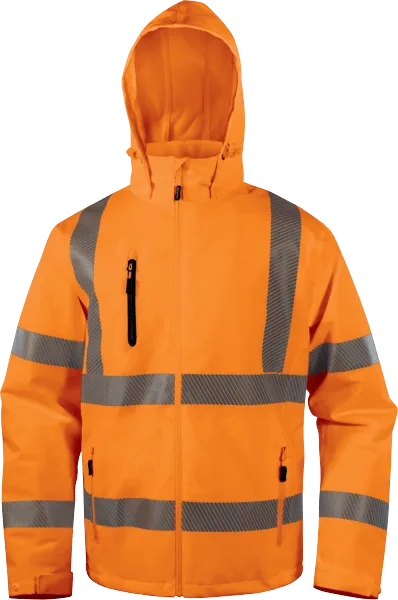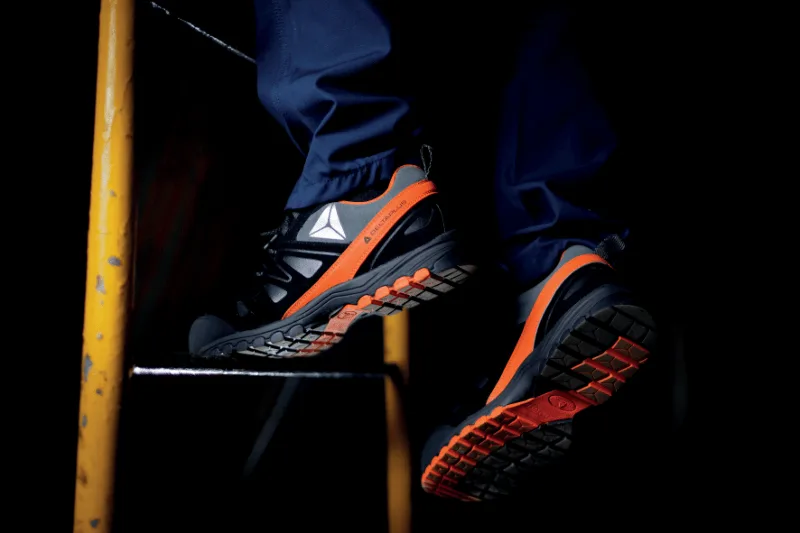

Selecting personal protective equipment is not simply choosing a model from a catalog. Effective protection starts with correctly identifying the risk, then determining the appropriate standard and performance level.
Identify the risk correctly first
The type of hazard in the workplace is the starting point for product selection. Mechanical impact, cuts, chemical splashes, particulates, noise, work at height and thermal risks each require a different protection approach.
Before asking “Which product should we buy?”, answer “What risk is the user exposed to, and for how long?”
Check the relevant standard and performance level
The standard number helps identify the risk for which the product was tested. However, two products carrying the same standard may have different performance levels, use limitations or material properties.
Assess suitability for the user and the task
In addition to the protection level, ergonomics, fit, freedom of movement, field of vision, grip and long-term wearing comfort are also important.
Plan correct use and maintenance
When PPE should be replaced, how it should be stored and cleaned, and how it is issued to the user are also part of the selection process.
Quick checklist
This content is for general information. Final product selection should be based on the workplace risk assessment, applicable regulations, manufacturer technical documentation and the evaluation of competent occupational safety professionals.