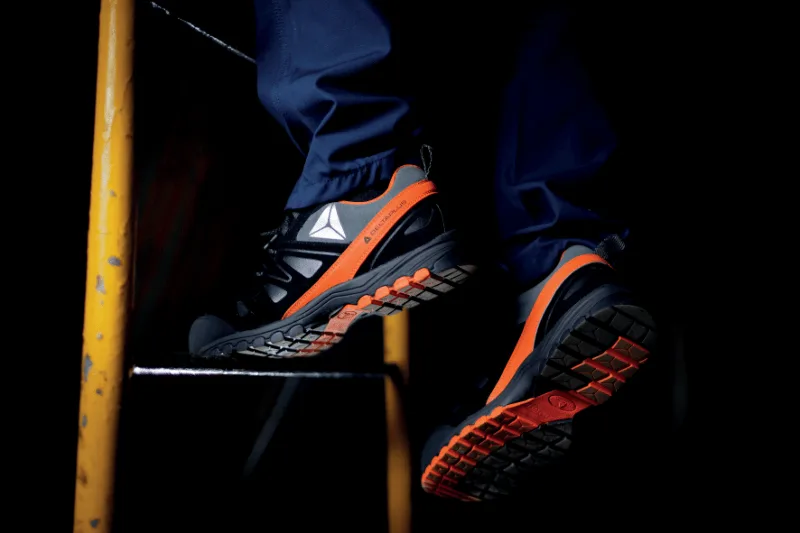
Markings such as S1, S2, S3 and S3S describe tested protection features under EN ISO 20345. Choose footwear for the hazards of the workplace rather than relying on a model name alone.
Understanding the classes
SB covers the basic safety footwear requirements. S1 adds a closed heel, antistatic properties and heel energy absorption. S2 adds resistance of the upper to water penetration and absorption (WPA). S3 adds penetration-resistant protection and a cleated outsole. S2 or S3 does not automatically mean the whole shoe is waterproof.
What distinguishes S3, S3L and S3S?
Under EN ISO 20345:2022, S3 refers to a metal penetration-resistant insert (P). S3L identifies a non-metallic insert tested with a 4.5 mm nail (PL), while S3S refers to a non-metallic insert tested with a 3 mm nail (PS). Select based on the objects and risks involved.
Check additional markings
SR indicates additional slip testing, WR resistance of the whole shoe to water, FO outsole resistance to fuel oil, HRO a heat-resistant outsole and CI cold insulation. Confirm the declared edition of the standard and the complete label.
Match the working environment
Dry warehouses, wet worksites and areas containing sharp debris require different protection. Fit, comfort, traction and maintenance also matter.
Selection checklist
- Identify the main workplace hazards.
- Check the EN ISO 20345 edition and class.
- Verify P, PL or PS where puncture risk exists.
- Distinguish WPA upper resistance from WR whole-shoe resistance.
- Review the manufacturer documentation and fit.
Safety noteGeneral information only. Final selection requires a workplace risk assessment, manufacturer instructions and competent safety advice.